Enzyme Procurement for Forage Additive Plants
Enzymefarm supplies forage additive manufacturing teams that need more than a catalogue ingredient. We support product managers, sourcing leads, and plant operations with enzyme selections built for real additive production: compatible with inoculant systems, stable through practical storage and blending conditions, documented for procurement, and repeatable from batch to batch.
If you are building or refreshing a silage additive line, we help define which enzymes belong in the formula, how they should interact with the carrier system, and how supply can be managed without slowing launch, scale-up, or repeat production.
For silage additive manufacturers, inoculant producers, private-label brands and distributors buying for resale. Business inquiries only; pack sizes, quantities and delivery terms are quoted per order. Request a quote with the product, quantity and destination.
Enzyme sourcing built around additive manufacturing realities
Forage additive plants need ingredients that behave predictably before they ever reach the field. Enzyme selection affects blend flow, label structure, inoculant compatibility, stability planning, and the commercial credibility of the finished product.
Enzymefarm supplies enzymes for manufacturers formulating dry and liquid silage additives, including enzyme systems designed to support:
- Fiber opening and improved substrate access
- Fermentable sugar release to support rapid fermentation direction
- Starch and mixed-carbohydrate contribution in crop-specific formulas
- Performance continuity across changing forage inputs
- Compatibility with lactic acid bacteria, carriers, acids, minerals, and common processing aids
- Repeatable blending and practical plant handling
What we help product teams specify
Enzyme role in the finished additive
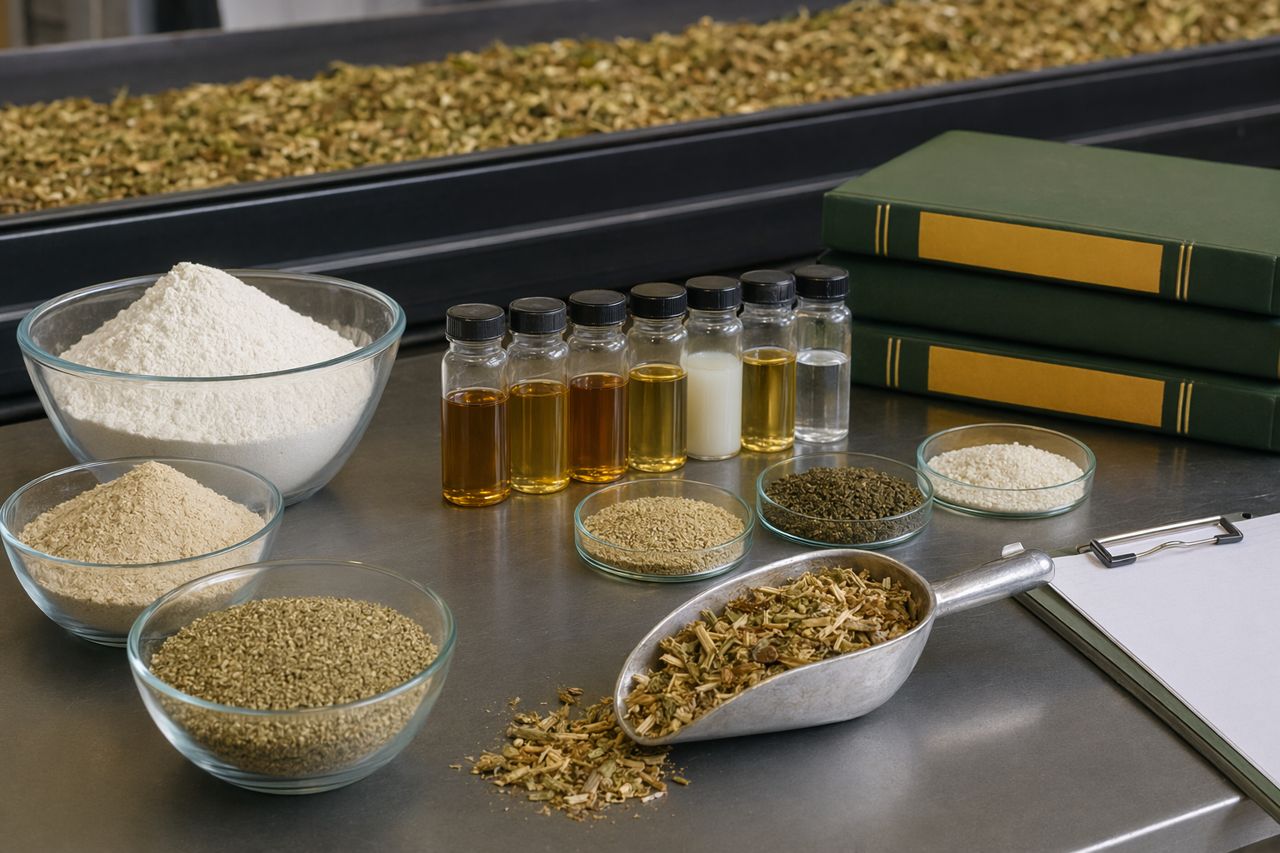
We help map each enzyme to a clear formulation purpose. That may include cellulase, hemicellulase, xylanase, beta-glucanase, amylase, or blended enzyme systems depending on the crop target, additive format, and desired fermentation profile.
The goal is not to overcomplicate the formula. The goal is to make every inclusion defensible: technically, commercially, and operationally.
Inclusion planning and carrier fit
Your team may already have a target inclusion structure, or you may be comparing options for a new SKU. We support practical inclusion planning around:
- Dry carrier compatibility
- Liquid premix behavior
- Flow and dispersion expectations
- Blend sequence considerations
- Product label positioning
- Cost-in-formula targets
- Intended application-rate structure for the finished additive
Inoculant and additive compatibility
Silage enzyme procurement cannot be separated from the rest of the additive system. We review compatibility considerations around lactic acid bacteria, organic acids, mineral carriers, anti-caking agents, preservatives, and liquid stabilizers so the enzyme choice supports the whole formulation rather than creating avoidable rework.
Built for sourcing teams as well as formulators
A strong enzyme supplier should make procurement easier, not just provide a technical name. Enzymefarm supports sourcing teams with the commercial and documentation structure needed to manage recurring bulk supply.
Typical procurement support includes:
- Clear product specification documentation
- Batch-aligned quality records
- Allergen, origin, and regulatory support where applicable
- Shelf-life and storage guidance
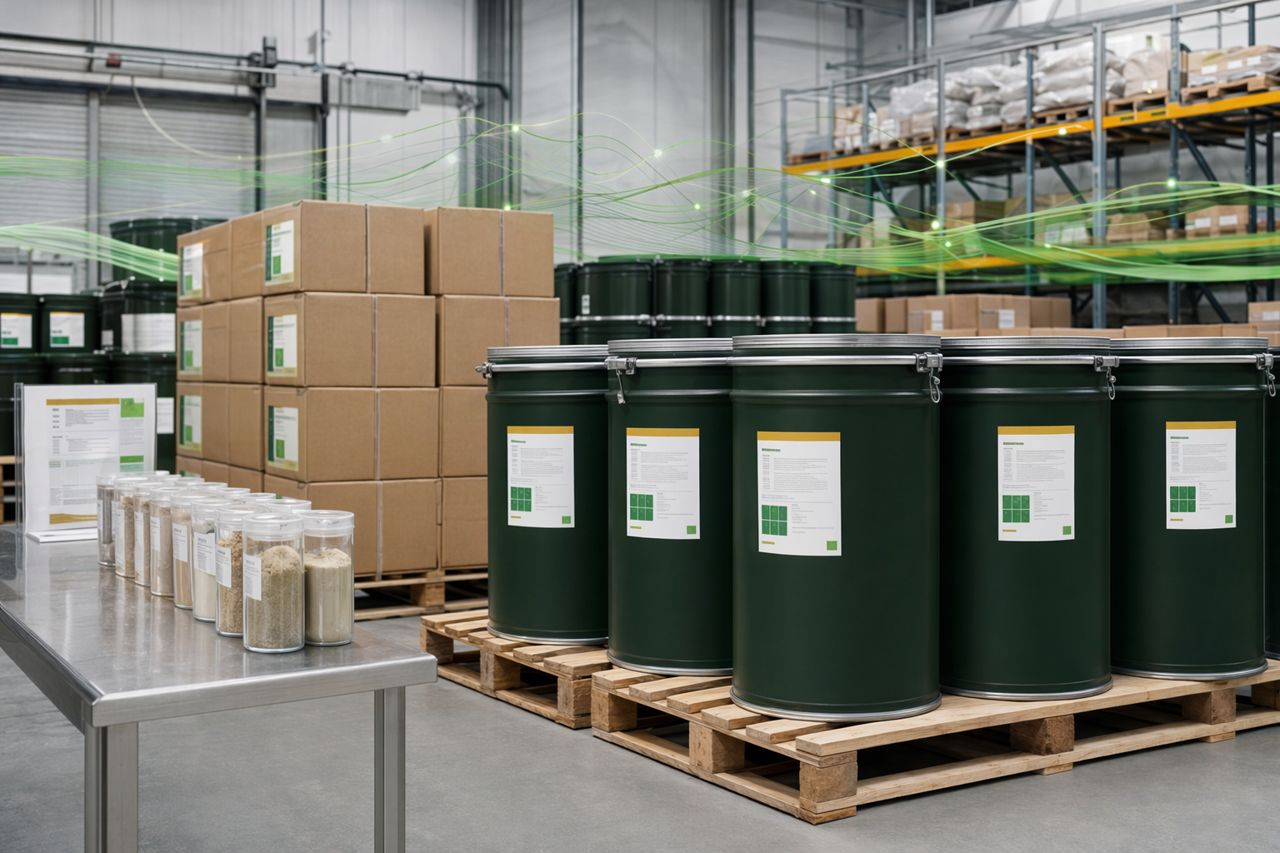
- Packaging options suited to additive plant handling
- Lead-time planning for seasonal production cycles
- Reorder coordination for repeat batches
- Private formulation discussion under appropriate confidentiality terms
Straw and stover fermentation agents: what to check beyond the strain names
Crop straw is a cost problem on both sides of the farm gate: burning it brings environmental pressure, and fed untreated, its tight lignin and cellulose structure keeps digestibility below 50%, with poor palatability and low intake. A fermentation agent breaks the ester bonds between lignin and cellulose, disrupts the crystalline structure and turns crude fibre into soluble sugars and organic acids. For beef cattle and sheep operations, fermented straw can replace part of the concentrate, which cuts feed cost directly. The same agents also work for dry stover ensiling, which gets around the harvest-season limits of conventional silage.
The specification points that decide results
- Do not stop at the strain names: strain activity, the ratio between strains and the production process decide how the fermentation turns out.
- The hard indicators are viable count, enzyme-producing capacity, acid and bile-salt tolerance, and how well the culture copes with temperature over the fermentation period.
- Single-strain fermentation tends to break straw down incompletely and adds little palatability; multi-strain designs pair strains rich in cellulase and xylanase with lactic acid producers, so fibre is broken down and the acid improves flavour and keeping quality.
- Corn, wheat and rice straw differ in physical structure, so the microbial design has to match the straw a region actually has.
- Between batches, viable count must stay stable and contamination must stay under control.
What it means for an additive plant buying enzyme inputs
- Ask for activity data per lot, and treat enzyme strength as part of the agent's specification, not a label extra.
- Plan field support: for large operations, moisture, compaction and fermentation time are adjusted to the local raw material to keep fermentation quality stable.
- If you sell into regions with different straw types, plan a corn, wheat or rice straw variant rather than one blend for all.
Request a quote for cellulase and xylanase inputs for straw, stover or silage fermentation agents: send the product, the quantity and the destination.
Reduce reformulation risk before scale-up
Enzyme selection can look simple at bench level and become complicated during plant production. Carrier interaction, moisture exposure, blend uniformity, and storage environment can all affect how confidently a formula moves from sample to shipment.
We help manufacturers reduce avoidable reformulation by reviewing the supply route early:
- Define the additive objective — crop target, format, fermentation aim, and commercial positioning.
- Select enzyme candidates — single enzymes or blends matched to the intended role.
- Check compatibility — inoculant, carrier, stabilizer, and processing fit.
- Plan inclusion structure — practical use level inside the finished additive.
- Align documentation — specifications, batch records, and procurement requirements.
- Prepare for repeat supply — packaging, lead time, and reorder planning.
For dry and liquid silage additive formats
Enzymefarm works with manufacturers developing dry powders, soluble blends, liquid concentrates, and multi-component additive systems. The right enzyme supply choice depends on the finished format and the plant process behind it.
Dry additive production
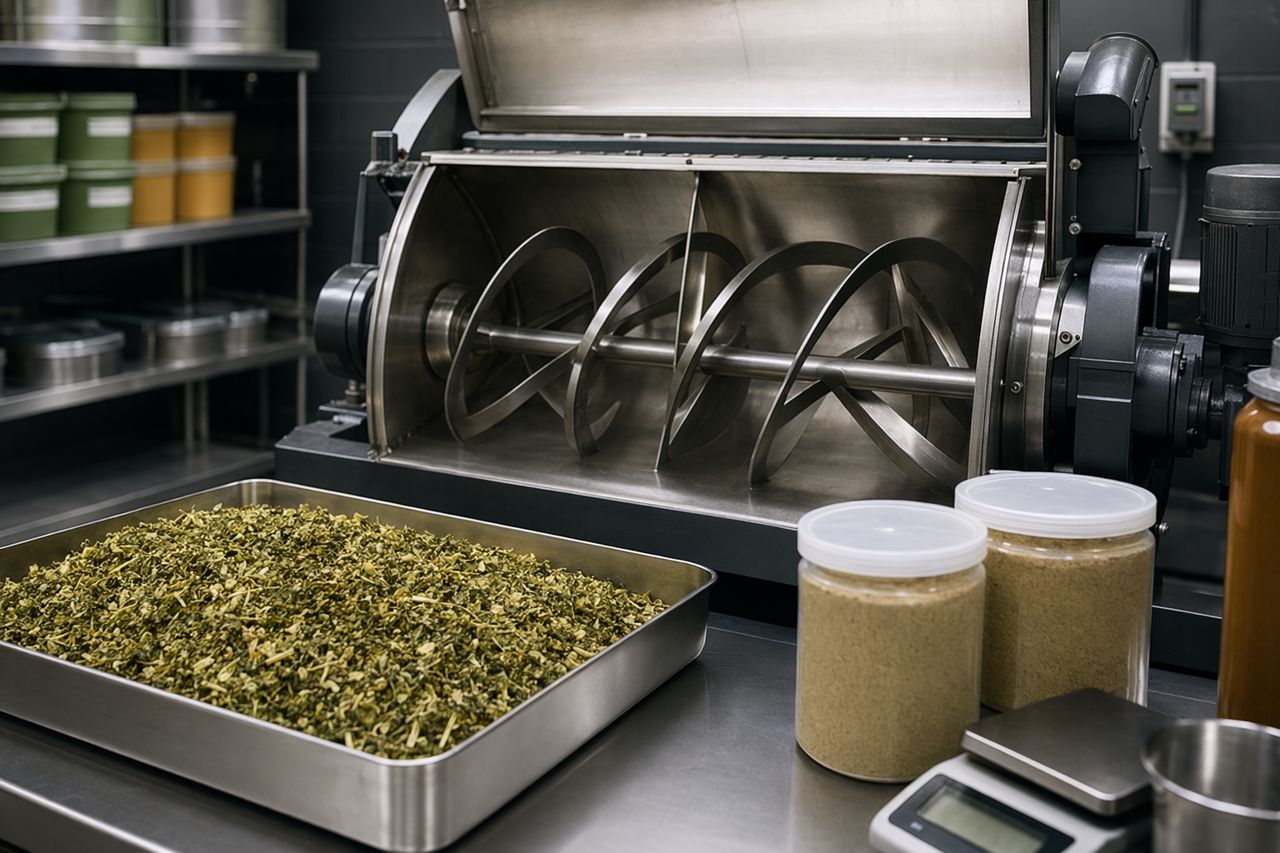
For dry formulations, we focus on carrier compatibility, blend uniformity, flow behavior, storage exposure, and packaging practicality. We help ensure the enzyme system can be integrated without creating unnecessary complexity in the blending room.
Liquid additive production
For liquid formats, we review solubility expectations, stabilizer compatibility, pH environment, handling conditions, and storage planning. The objective is a supply choice that fits your liquid system rather than forcing your formulation to work around the enzyme.
Commercial value for additive manufacturers
The value of enzyme procurement is measured in fewer surprises: fewer reformulation loops, fewer documentation gaps, fewer compatibility issues, and fewer batch-to-batch inconsistencies.
Enzymefarm is structured for manufacturers that need:
- Faster comparison of enzyme options for new product development
- Practical formulation support before purchase orders are placed
- Bulk supply planning that fits seasonal production demand
- Repeatable batch performance for established SKUs
- Clear technical and commercial accountability from one supplier
When to contact us
Request a quote if you are:
- Launching a new silage inoculant or enzyme-enhanced additive
- Replacing an enzyme supplier due to documentation, availability, or consistency issues
- Comparing enzyme sourcing options for plant-scale production
- Adjusting a formula for a new crop target or application format
- Looking for a cleaner procurement workflow before seasonal manufacturing begins
Request a quote
Use the on-site request form to share the product, the quantity (per order and per season) and the destination country, plus your additive format, crop target, carrier system, preferred packaging, estimated production schedule, and any compatibility requirements. We will respond with a practical supply path, documentation expectations, and next steps for wholesale supply. Pack sizes, quantities and delivery terms are quoted per order.